How Geolocation Technologies Shape Access Restrictions and Player Migration in International Betting Networks
Written by Yara Walter · Oct 26, 2026
How Geolocation Technologies Shape Access Restrictions and Player Migration in International Betting Networks
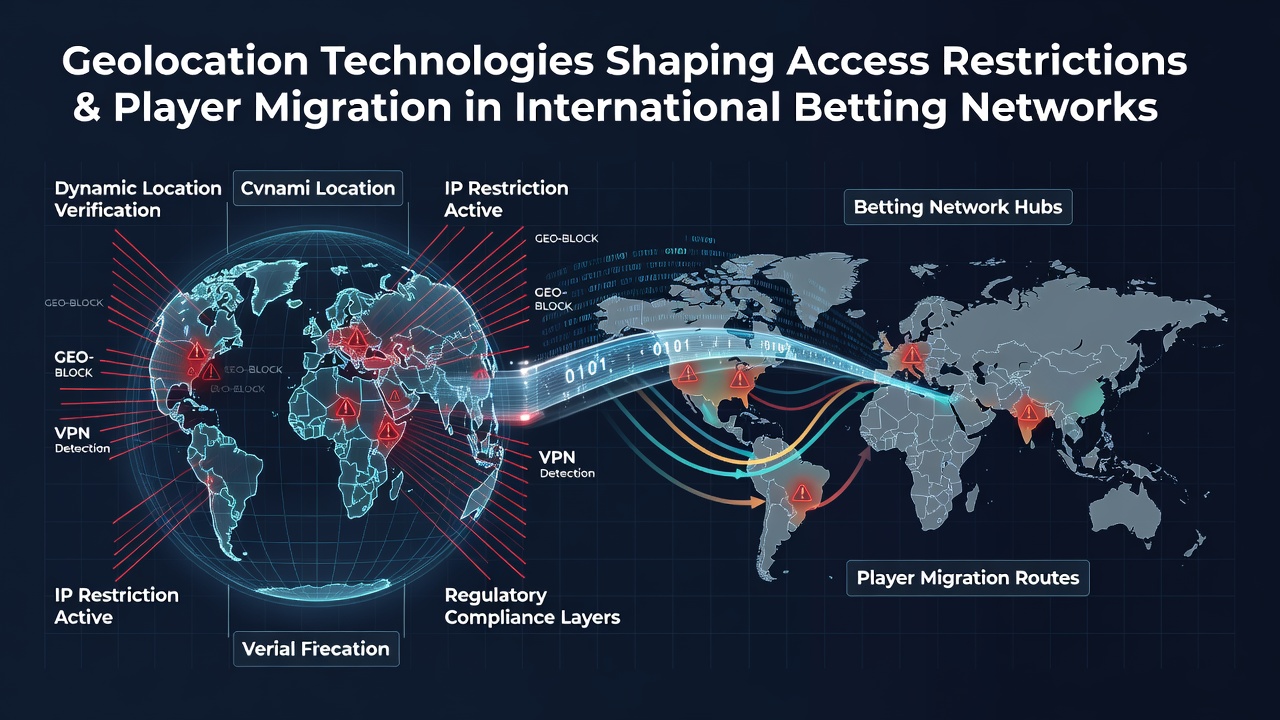
Geolocation technologies determine user locations through GPS signals, IP address mapping, and WiFi triangulation, which operators integrate into betting platforms to enforce jurisdictional rules. These systems verify whether a player sits within an approved region before allowing account access or wager placement, and they update in real time as connections shift between networks. Regulators require this verification layer because licensing agreements tie market access to specific territories, and operators face penalties when they fail to maintain compliance.
Core Components of Geolocation Enforcement
Platforms combine multiple data points to reduce false positives and block circumvention attempts, with GPS providing precise coordinates while IP databases flag proxy servers or VPN endpoints. When a connection originates from an unlicensed area the system blocks the session and logs the attempt for audit purposes, and many networks also cross-check device identifiers to detect repeated location spoofing. Observers note that accuracy rates have climbed steadily since 2023 as mapping services refine their datasets, yet gaps persist in rural zones where satellite coverage thins or urban canyons distort signals.
Regulatory Frameworks Across Regions
Different jurisdictions impose distinct location rules that operators must encode into their access logic, with some markets requiring continuous monitoring throughout a session rather than a single check at login. European operators reference guidance from the European Gaming and Betting Association when updating their geofencing parameters, while North American platforms align with state-level gaming boards that publish updated boundary files each quarter. As of October 2026, several Canadian provinces expanded permitted zones to include additional border communities, prompting operators to refresh their geolocation databases within days of the policy announcement.
Access Restrictions and Technical Responses
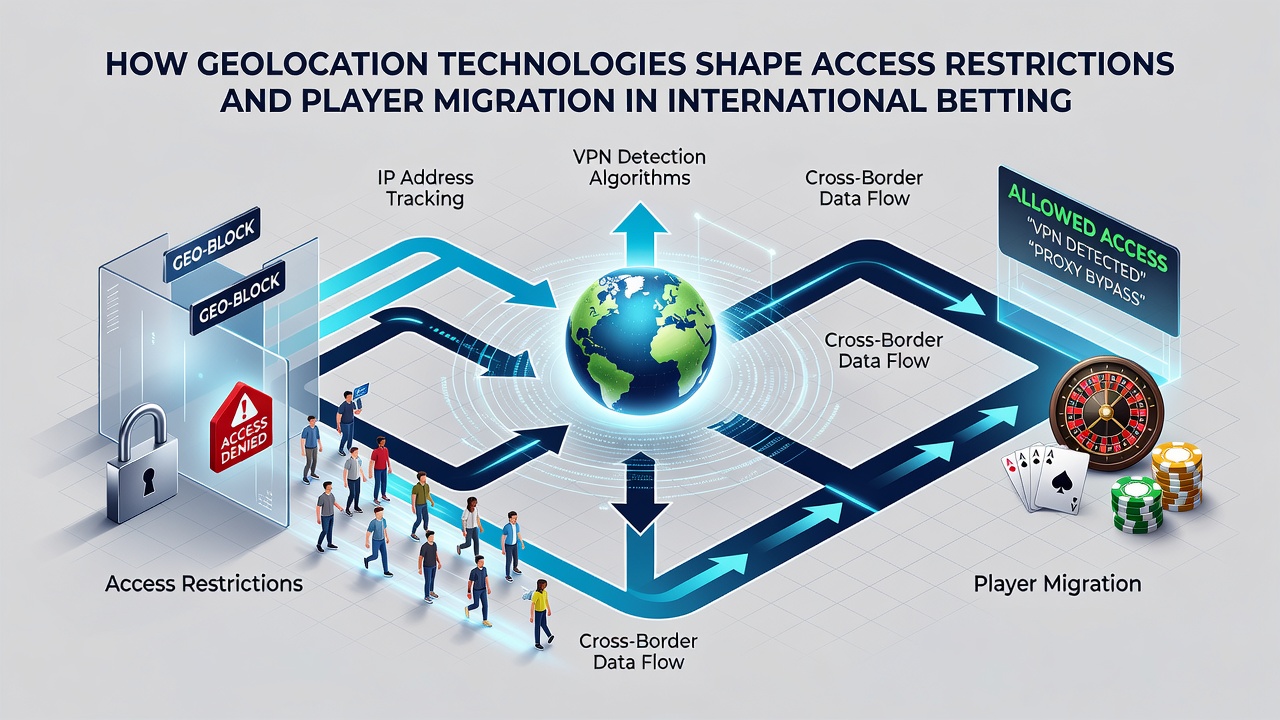
When geolocation flags place a user outside approved boundaries, platforms trigger access denial messages and redirect traffic to informational pages that list licensed alternatives, and some networks automatically terminate active sessions if the detected location drifts across borders. Players who travel frequently encounter repeated interruptions, which leads operators to offer temporary suspension options rather than full account closure, and data from industry reports shows that session termination events cluster around major travel corridors during holiday periods. Technical teams respond by tightening tolerance thresholds, so even brief signal fluctuations can trigger re-verification prompts that interrupt live betting activity.
Patterns of Player Migration
Geolocation barriers encourage some users to shift activity toward platforms licensed in neighboring jurisdictions that permit cross-border participation, and migration data collected through operator analytics reveals seasonal spikes when regulatory changes open new corridors. Researchers at several academic centers have tracked how players adjust their preferred sites after boundary updates, with traffic shifting toward markets that maintain broader roaming allowances or simpler re-verification processes. One study released in 2025 documented that migration volumes rose 18 percent following a single policy adjustment in an Asia-Pacific territory, while European networks recorded smaller but consistent movements tied to seasonal tourism patterns.
Challenges and Adaptation Strategies
Operators invest in hybrid verification models that blend on-device GPS with backend IP reputation scoring, and they update these models whenever new proxy services emerge, yet sophisticated users continue to test detection methods. Industry groups collaborate on shared blocklists that flag known evasion tools, and this cooperation reduces the window between a new circumvention technique and its inclusion in enforcement databases. Data from regulatory filings indicates that enforcement costs represent a growing share of compliance budgets, particularly for networks that operate across multiple continents with differing technical standards.
Future Developments in Location-Based Controls
Emerging standards propose standardized location data formats that regulators could adopt across borders, which would simplify compliance for multi-jurisdictional operators while maintaining each territory's autonomy over permitted zones. Pilot programs testing blockchain-anchored location proofs have begun in limited markets, and early results suggest reduced latency during verification steps without sacrificing auditability. Observers expect further integration with 5G network metadata, which could supply additional context layers that improve accuracy in dense urban environments where current methods sometimes struggle.
Conclusion
Geolocation technologies continue to define the operational boundaries of international betting networks by linking regulatory mandates directly to user sessions, and the resulting access controls influence how player bases redistribute across licensed platforms. Migration patterns track closely with policy updates and technical refinements, while operators adapt their verification stacks to balance compliance demands against user continuity. As mapping precision improves and cross-border standards evolve, the interplay between location enforcement and player movement will remain a central feature of the global wagering landscape.