How Algorithmic Risk Scoring Influences Deposit Limit Adjustments Across Global Sportsbook Networks
Written by Amir Griffin · Sep 28, 2026
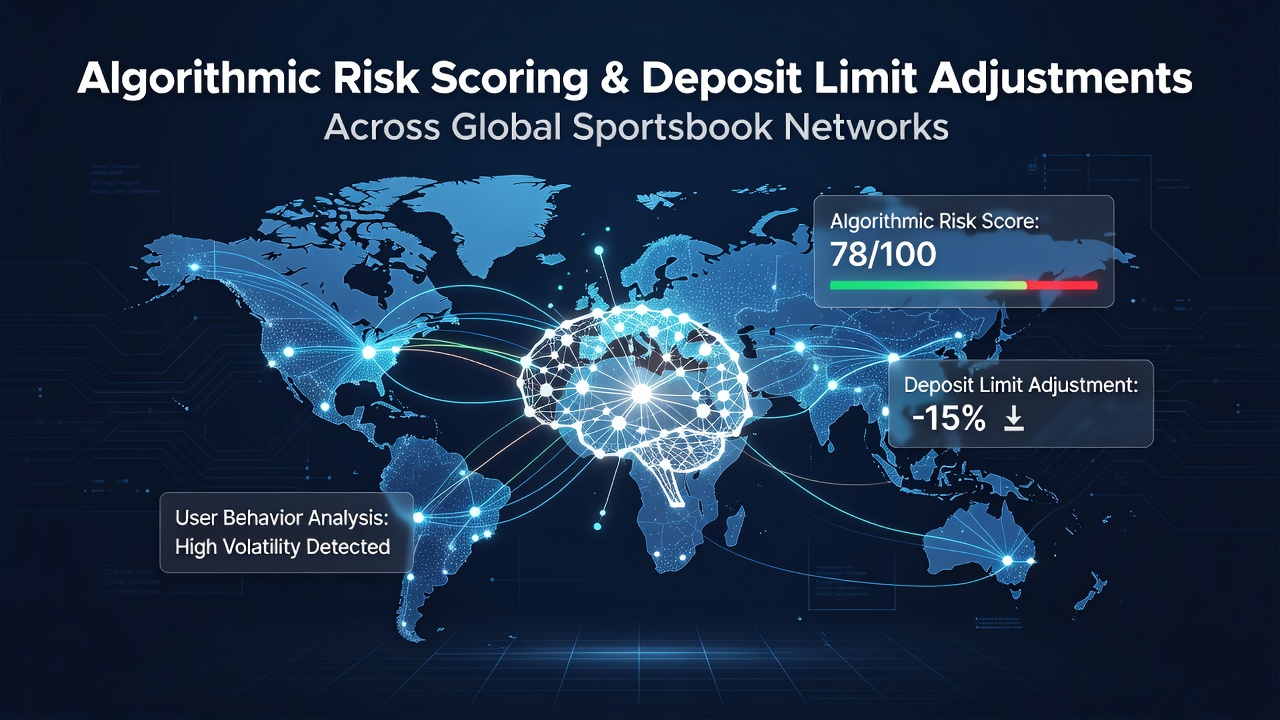
How Algorithmic Risk Scoring Influences Deposit Limit Adjustments Across Global Sportsbook Networks
Algorithmic risk scoring systems now drive many deposit limit decisions in sportsbook networks worldwide, and operators adjust those limits based on real-time data analysis that combines player behavior patterns with regulatory requirements. These systems pull from transaction histories, betting frequency, and account activity to generate scores that trigger automatic or manual changes to how much users can deposit in a given period.
Core Mechanisms Behind Risk Scoring Models
Operators feed vast datasets into machine learning models that evaluate variables such as deposit velocity, win-loss ratios, and cross-platform activity, while regulatory frameworks in multiple jurisdictions require documented processes for identifying elevated risk. Data shows these models update scores continuously, and adjustments occur when thresholds are crossed, often within minutes of a flagged transaction. Researchers at academic institutions have documented how similar scoring approaches appear in financial services, yet sportsbook applications add layers focused on gambling-specific behaviors like rapid escalation in wager sizes.
Take one European operator that integrated external credit data with internal betting logs, and the resulting algorithm began flagging accounts showing deposit patterns inconsistent with declared income levels. That integration produced more granular limits, and the company reported fewer instances of accounts hitting regulatory caps unexpectedly. Observers note that North American platforms tend to emphasize fraud signals alongside responsible gambling metrics, whereas Asian networks often prioritize velocity checks tied to local payment rails.
Regional Differences in Implementation
Deposit limit adjustments vary sharply by region because licensing bodies impose distinct reporting standards. In Australia, state-level rules require operators to review limits after certain activity thresholds, and algorithmic outputs feed directly into those reviews. Canadian provincial regulators have adopted similar requirements in recent years, with platforms linking scores to self-exclusion databases to prevent circumvention. Meanwhile, several U.S. states mandate that any automated limit change includes a documented rationale that can be audited, which pushes operators to maintain detailed model logs.
What's interesting is how these regional rules interact with global platform architectures. A single sportsbook might run separate scoring instances for each licensed market, and synchronization across those instances ensures a player flagged in one jurisdiction does not receive higher limits elsewhere. Industry reports indicate that such segmentation reduces compliance incidents, and September 2026 is expected to bring further alignment as more jurisdictions adopt standardized data-sharing protocols.
Effects on Player Accounts and Operator Workflows
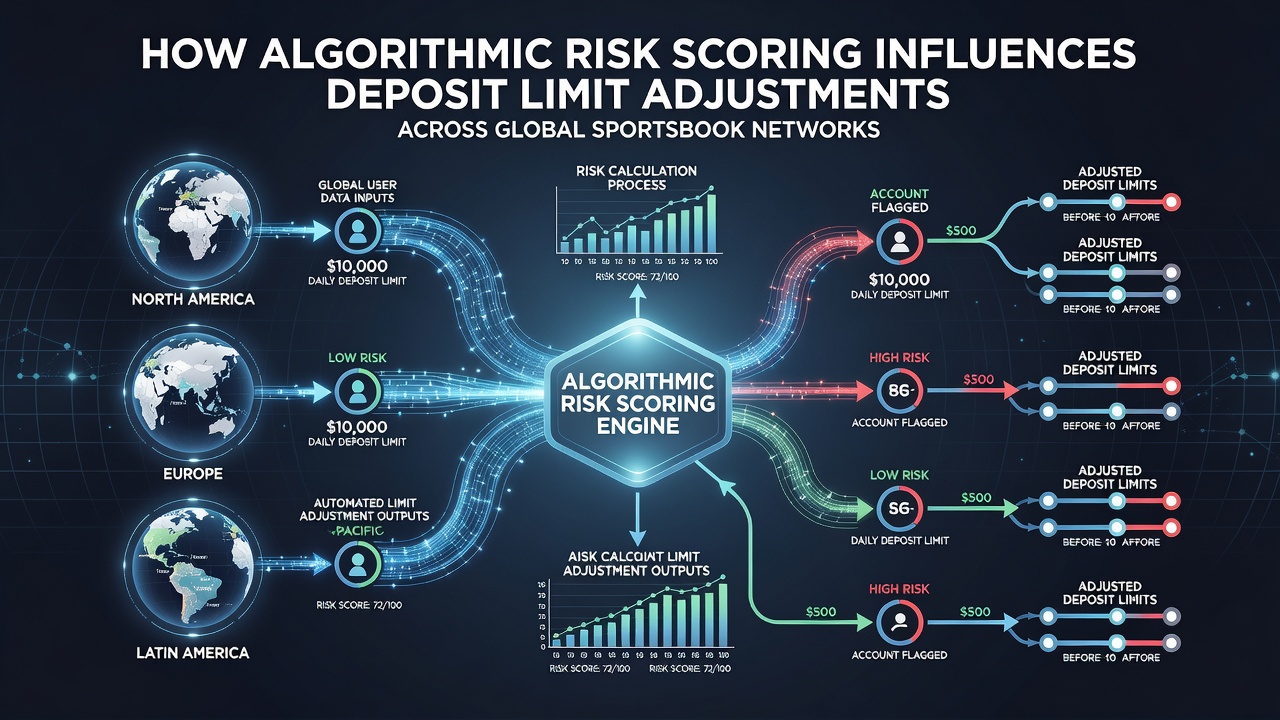
When an algorithm lowers a deposit limit, the change appears in the user interface immediately, and players receive notifications that reference the updated amount without disclosing the underlying score. Operators often route borderline cases to human review teams, and those teams examine additional context such as recent customer service interactions or verified income documentation. Figures from platform audits reveal that roughly one in five automated flags results in a manual override, usually because supplementary information justifies restoring the prior limit.
Yet the process does not stop at the first adjustment. Models continue monitoring after a change, and subsequent activity can trigger further modifications in either direction. One study of multi-jurisdictional operators found that accounts experiencing an initial limit reduction showed a 40 percent drop in subsequent high-risk deposits within the following month, according to aggregated compliance data shared across networks.
Integration With External Data Sources
Many networks now pull supplementary signals from third-party providers that specialize in identity verification and financial behavior analytics. These feeds help refine scores when internal data alone proves insufficient, and the combination allows finer distinctions between legitimate high-volume players and those showing signs of distress. National Council on Problem Gambling resources outline how such integrations support broader harm-reduction goals, while operators in Australia reference similar frameworks through state gaming commissions to maintain consistency.
Academic papers examining these systems emphasize the importance of model transparency, and several research groups have called for standardized testing of algorithmic fairness across demographic groups. Platforms that publish high-level performance metrics tend to face fewer regulatory inquiries, and the practice is becoming more common as oversight bodies request evidence that scoring does not produce unintended disparities.
Conclusion
Algorithmic risk scoring continues to shape deposit limit policies across global sportsbook networks through continuous data analysis and region-specific compliance rules. Operators refine these systems as new data streams and regulatory expectations emerge, and the resulting adjustments reflect both operational needs and external oversight requirements. As platforms prepare for anticipated changes in September 2026, the focus remains on maintaining auditable processes that balance player access with documented risk controls.