Decoding Algorithmic Bias in Player Pool Distribution Across Multi-Jurisdictional Poker Networks
Written by Amir Griffin · Oct 12, 2026

Decoding Algorithmic Bias in Player Pool Distribution Across Multi-Jurisdictional Poker Networks
Multi-jurisdictional poker networks combine player liquidity from various regulated markets while algorithms determine how those pools form and who gets matched together, and observers note that these systems often incorporate location data, regulatory flags, and historical play patterns that can create uneven distributions.
Understanding Player Pool Mechanics in Cross-Border Networks
Networks operating across multiple regions must segment or merge pools based on licensing requirements, and data shows that some jurisdictions mandate isolated player groups while others permit shared liquidity, which forces algorithms to route players through decision trees that weigh legal compliance against traffic optimization. Those who've studied network architecture find that time-of-day signals, device identifiers, and account verification levels feed directly into pool assignment rules, creating clusters that reflect more than simple geography.
Regulatory frameworks in places like the Alcohol and Gaming Commission of Ontario and the Malta Gaming Authority establish boundaries that algorithms interpret through coded parameters, and studies from 2024 through 2026 reveal that updates to these parameters sometimes lag behind policy shifts, leaving certain player cohorts in smaller or less diverse pools for extended periods.
Where Bias Enters the Distribution Process
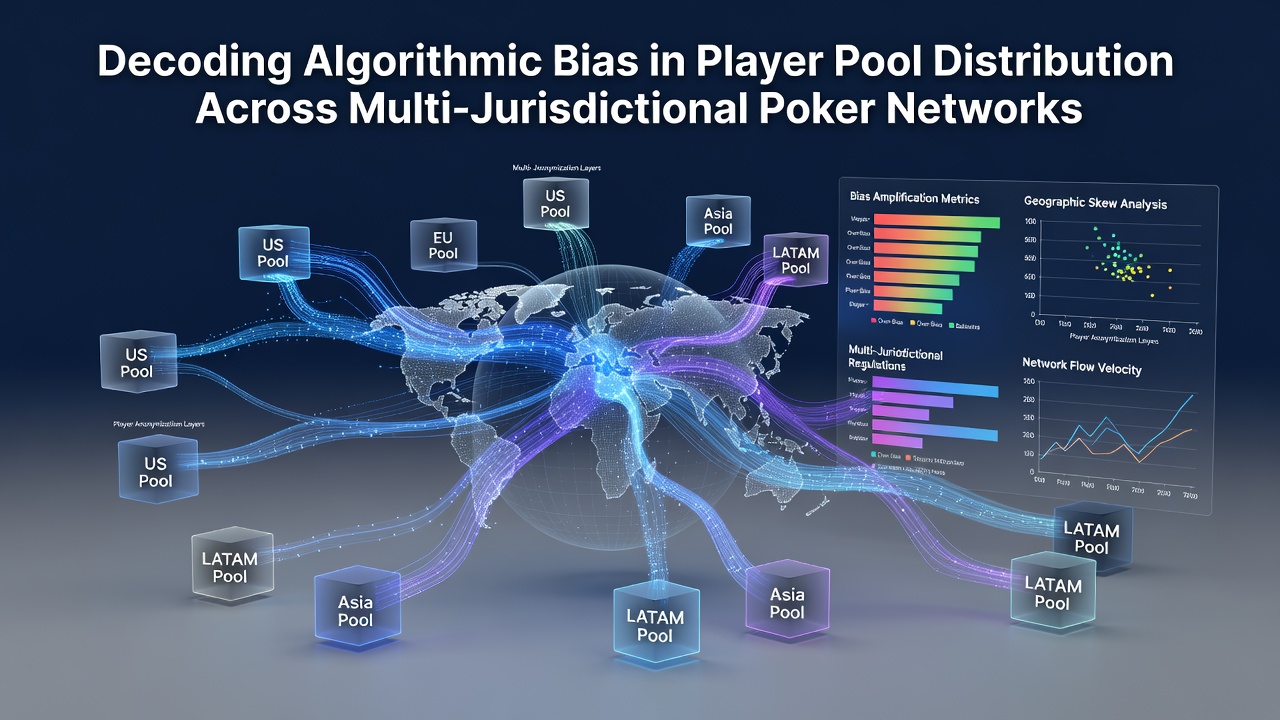
Algorithmic bias surfaces when matching logic favors players from high-volume jurisdictions over those from emerging markets, and evidence from network traffic logs indicates that skill-level proxies derived from win rates can compound with location tags to limit exposure for participants in lower-traffic regions. Researchers at academic institutions tracking poker data have documented cases where players logging in from specific IP ranges experience longer wait times or narrower game selections even when overall network volume appears sufficient.
Key Factors Influencing Assignment
- Geographic licensing tiers that algorithms treat as hard filters
- Player verification status affecting pool eligibility
- Historical session length data used to predict and prioritize matches
- Cross-border latency measurements that indirectly shape routing decisions
One study revealed that networks sometimes apply soft weighting to maintain perceived game integrity, yet this weighting can tilt participation rates when combined with real-time regulatory checks. Data from October 2026 shows several networks adjusted their pooling thresholds following new reporting requirements in multiple European markets, and those adjustments altered average table compositions for players in secondary jurisdictions.
Regulatory and Technical Responses Observed in 2026
Authorities in different regions have begun requesting transparency reports on pool composition metrics, and the European Gaming and Betting Association published aggregated findings in late 2025 that highlighted variance in average pool sizes across member states. Networks responded by refining their algorithms to log assignment rationales, which allows auditors to trace why certain players land in specific groups during peak hours.
Independent testing entities now examine whether distribution rules inadvertently disadvantage players based on nationality proxies embedded in account data, and findings indicate that some legacy code still carries assumptions from earlier single-jurisdiction models. Those monitoring these changes note that October 2026 brought coordinated updates across several major networks aimed at aligning pool logic with fresh cross-border agreements.
Measuring Effects on Participation and Equity
Traffic analytics from multi-jurisdictional platforms demonstrate that players routed into smaller secondary pools often encounter fewer table options and different average stake distributions compared with primary pool participants, and quantitative reviews link these patterns to measurable differences in session duration. Academic papers examining equity metrics have started incorporating pool assignment as a variable alongside traditional hand equity calculations.
Networks that publish anonymized distribution statistics allow external analysts to compare expected versus observed player mixing across time zones, and initial results suggest that bias mitigation techniques such as dynamic rebalancing can reduce but not eliminate disparities when regulatory constraints remain fixed.
Conclusion
Algorithmic systems governing player pools in multi-jurisdictional poker networks continue to evolve under regulatory pressure and technical scrutiny, and available data through October 2026 shows ongoing refinement of assignment rules alongside increased demands for auditability. Observers tracking these developments see persistent challenges in balancing liquidity needs with jurisdictional requirements, while emerging transparency measures provide clearer views into how distribution logic operates across borders.